OUR STORY
LEARN MORE ABOUT LITTLE HOLLOW LAND COLLECTIVEGrowing cut flowers we merge principles from agriculture, floriculture, ecology, regenerative farming, and naturalistic garden design. Located in Berthoud, Colorado, we operate as a small team of skilled contributors. Our crew is connected through purposeful work with backgrounds in agriculture, environmental studies, landscape and garden design, and floristry. Learn more below about our 5-acre land collective as it constantly evolves with new configurations of densely interplanted annuals, perennials, woody shrubs and fruit trees.
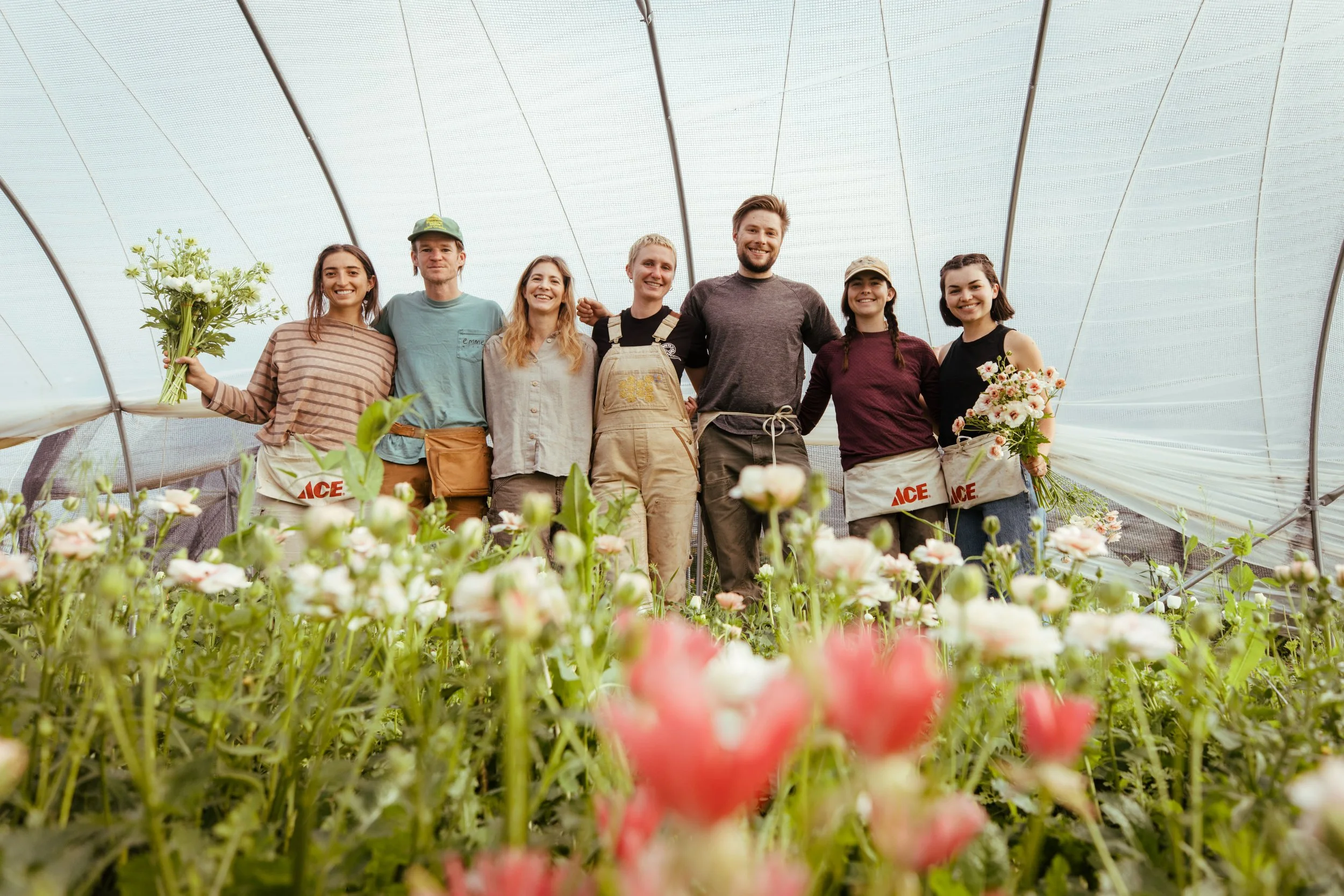
Our Team
-
![]()
Dustin Saunders
Dustins interest lie in the intersections of horticulture, agriculture, and floral design. Managing day to day operations Dustin has a hand in all things LH. Grateful for LH as a space to further explore plants and farming while bringing flowers to the community.
-
![]()
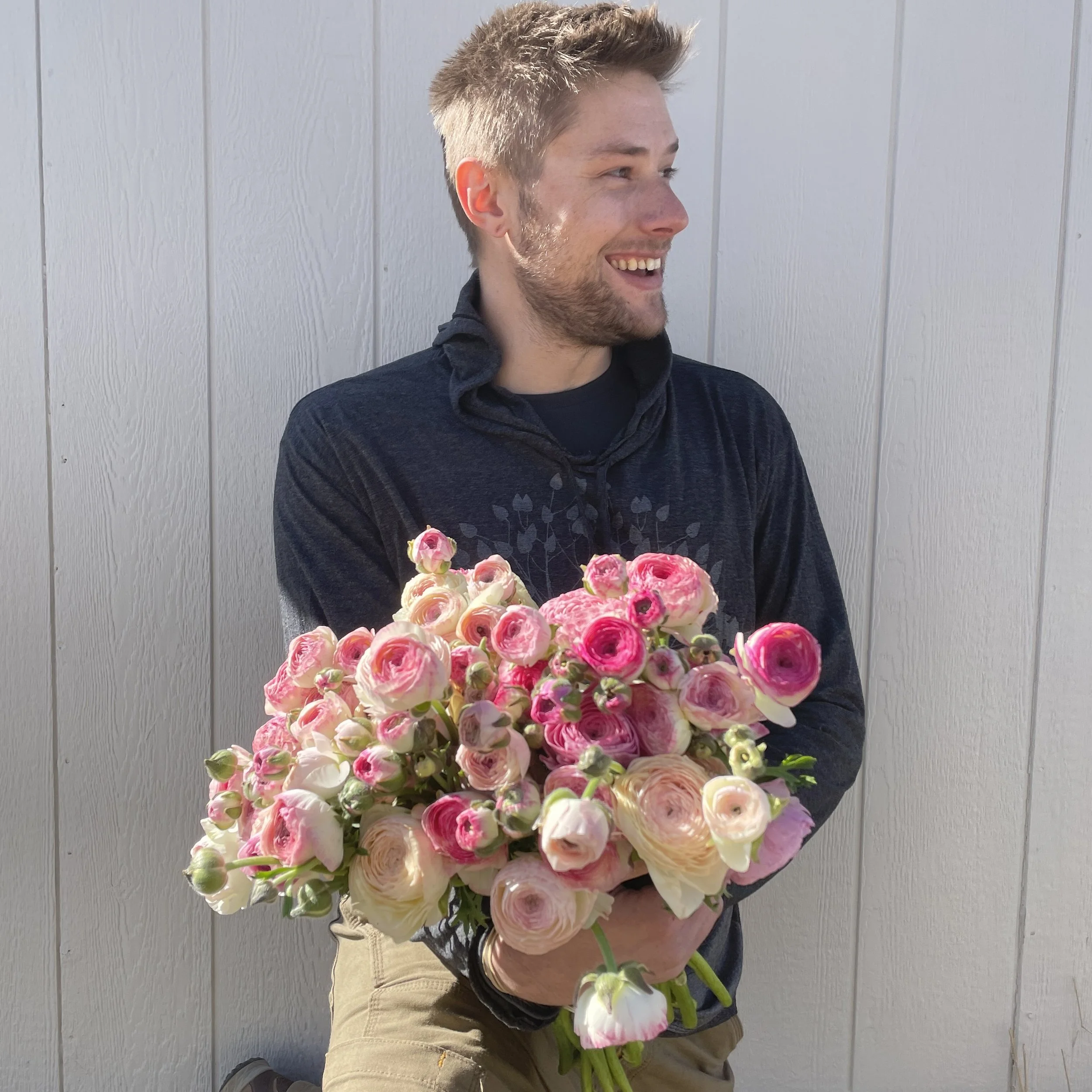
Cole Akers
Nature enthusiast and appreciator. An environmental background and farming ancestry got Cole interested in agriculture. Flowers have always captivated his attention. Bringing fresh flowers to local markets from a farm that cares about the process has been a truly fulfilling experience. Cole is one half of Favorite Flora creating unique pressed flower artwork alongside his partner Caroline.
-
![]()
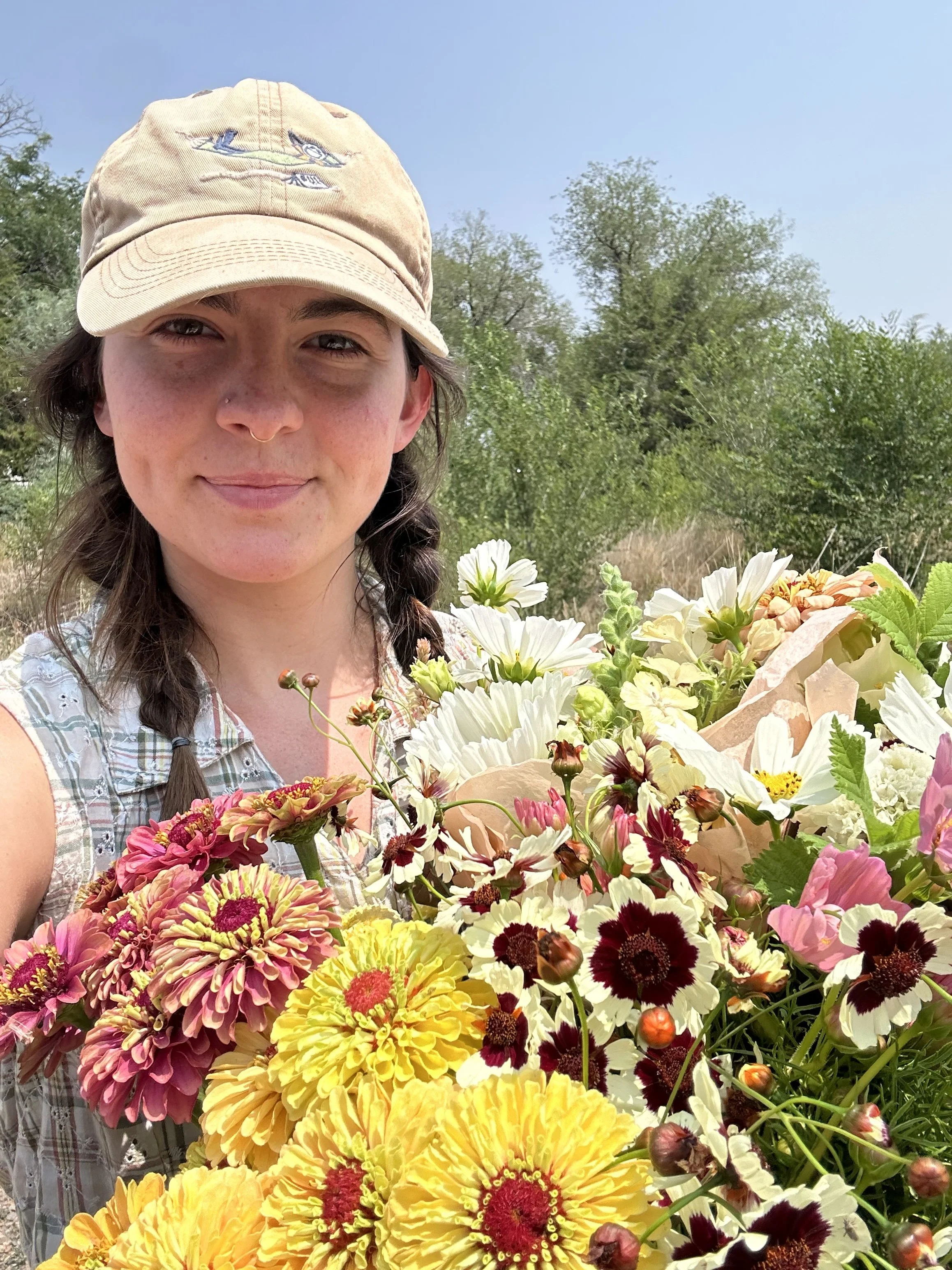
Sophie Lewis
Sophie grew up in the Midwest, where she discovered a love of flowers in her mother’s backyard garden. She now draws inspiration from Colorado’s arid mountains, and particularly enjoys incorporating local flowers from Little Hollow into floral designs for weddings and life’s special moments. When she isn’t working with flowers, you can find Sophie wandering in the alpine or hanging on the porch with her cat, Chef.
-
![]()
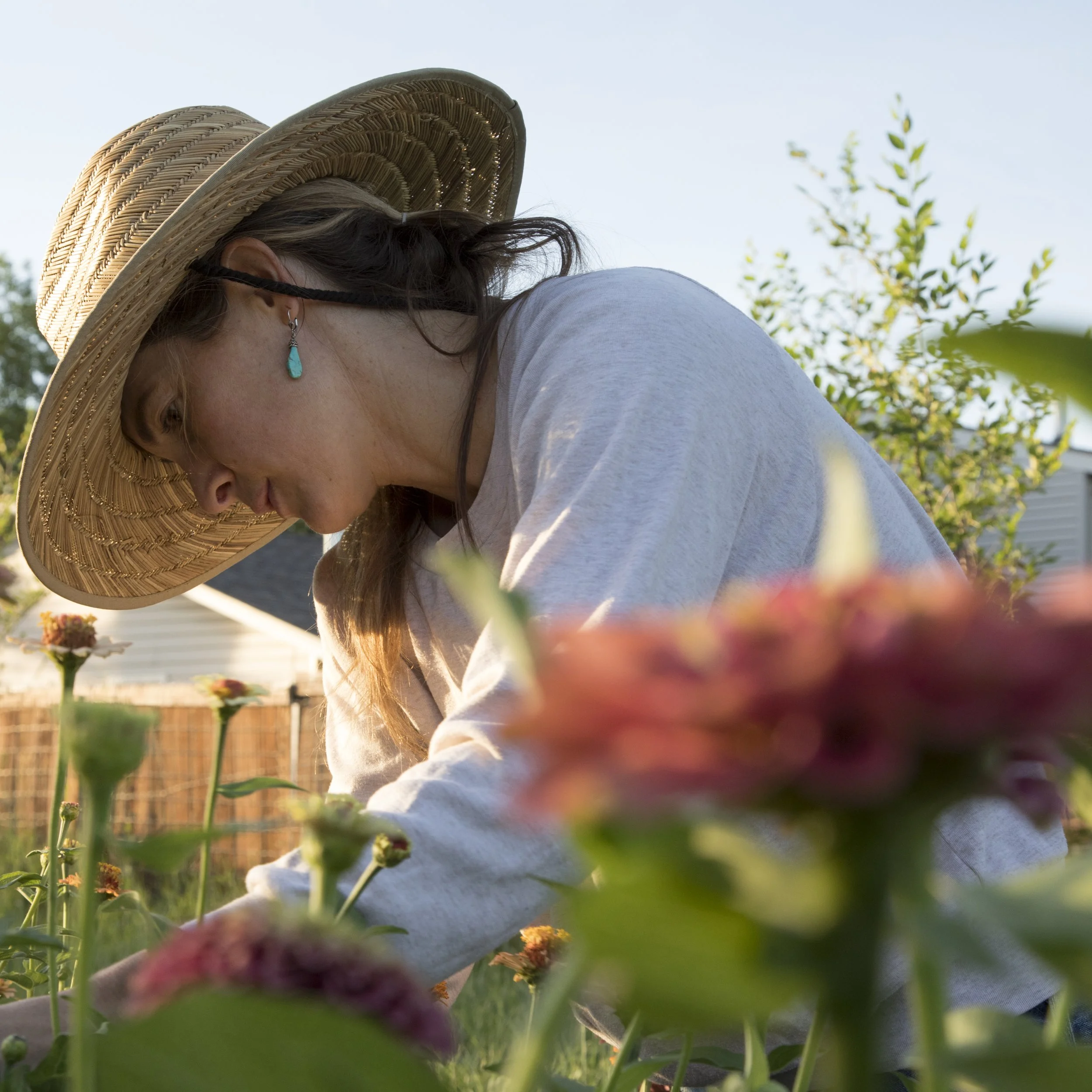
Kate Davenport
Kate designs for a landscape architecture firm by day specializing in urban, campus and botanical garden projects. Little Hollow is a home testing ground for new gardens and experimental landscapes. She loves studying plant communities and discovering new (to her) varieties with cut flower potential.
-
![]()
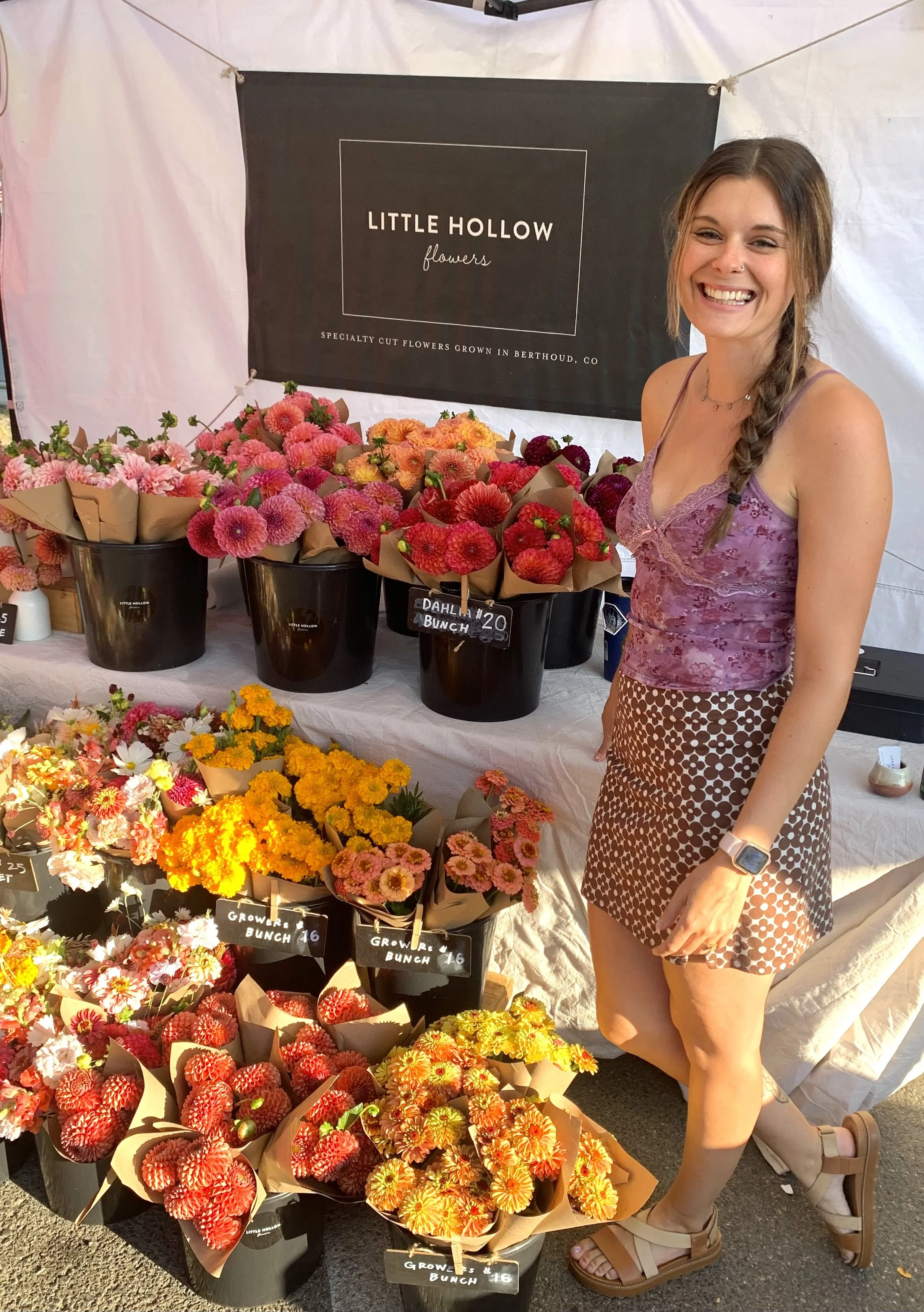
Caroline Akers
Caroline has always been drawn to the beauty of flowers and fulfilling her inner flower fairy dreams when she gets to interact and help sustain local flowers. Caroline finds the farmers market super rewarding getting to share the amazing world of flowers with the community.
-
![]()
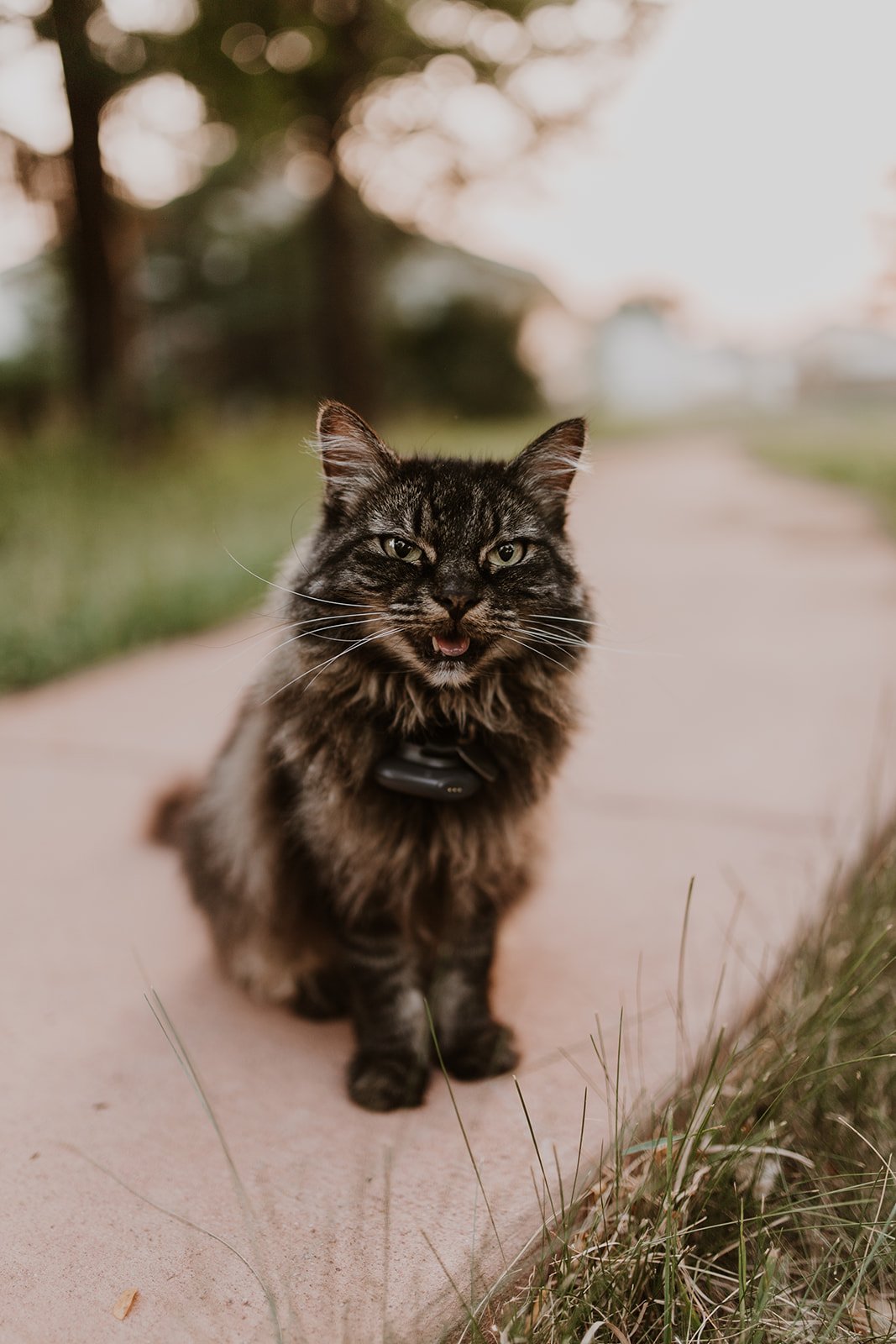
Muffin
What is a land collective?
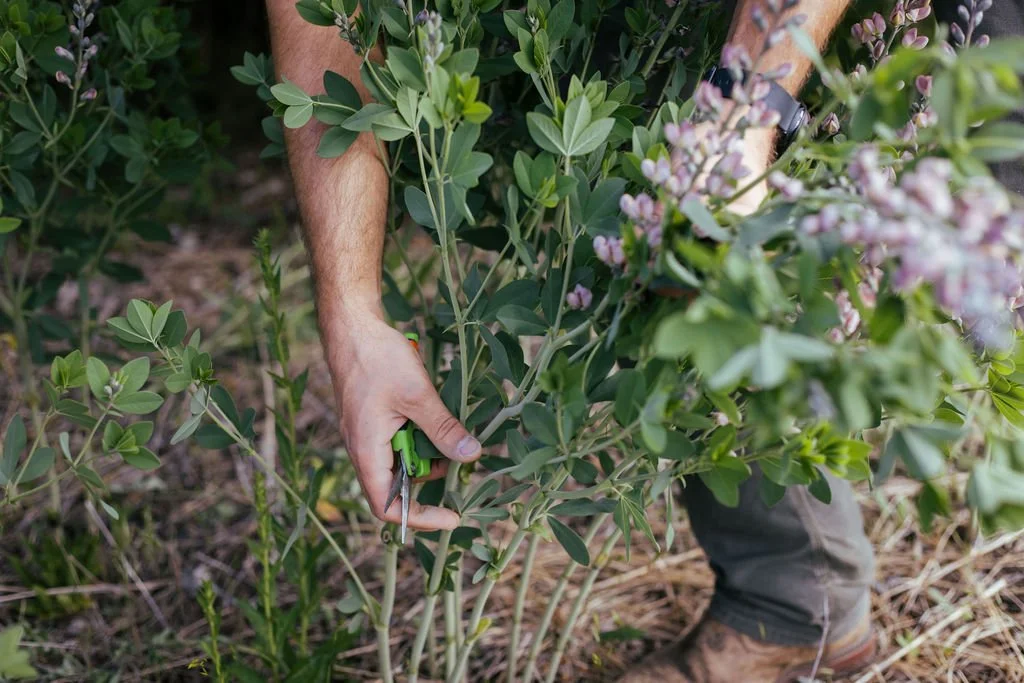
The more time we spend on this particular plot of land, the less compelled we are to view plants simply as a commodity and ourselves as purveyors. While making the land productive, we also look for ways to connect people with plants, seasons, and the unique beauty of our region through flowers. We seek a balance between production, care, and experiential learning. We look for ways to create value beyond the traditional metrics of yield and profit. The land collective approach is one that values biodiversity, habitat, and multi-dimensional life. A collaboration or reciprocation between land, plants, and people.
Our Practices
We know that farming does not always tread lightly on the land, and our goal is to critically consider the practices we apply. We grow our flowers organically, and we practice companion planting and integrated pest management. We implement water-wise irrigation techniques to reduce our water use, and we compost materials on site for re-use to amend our soils. We invest in the health of our soils through beneficial nutrients, cover cropping, and bed rotation. We actively limit our use of plastics and non-recyclable waste by starting seeds in soil blocks, switching to biodegradable netting, and eliminating packaging (or using compostable paper) for our products. We believe in progress over perfection and continue to examine and question how we can farm in a more efficient way and minimize our impacts.
Regional identity:
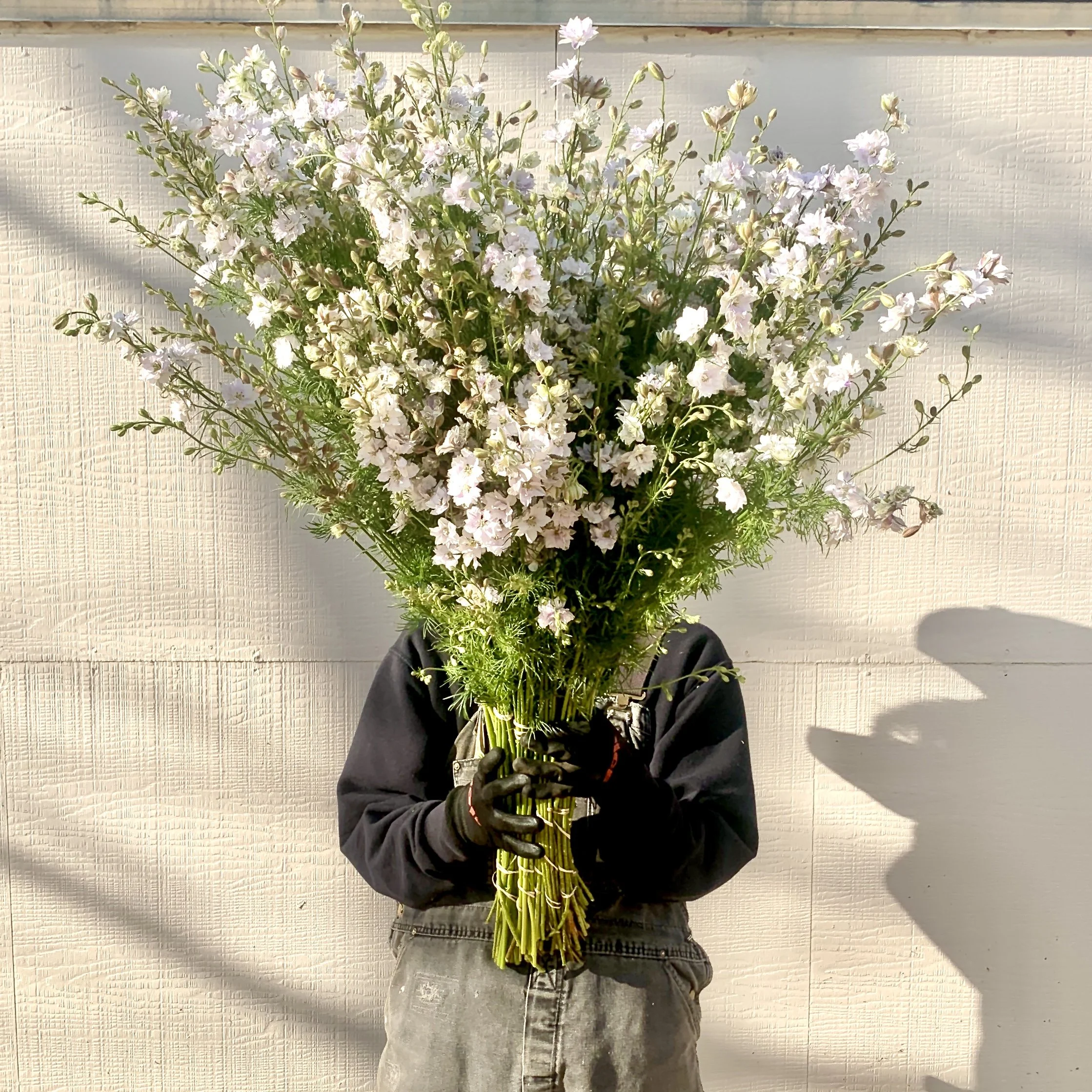
Even our idea of what a cut flower should be or look like is shaped by the import market. We think it’s exciting to challenge that identity, growing flowers that celebrate our region as a hyperlocal expression of nature. We are endlessly captivated by the beauty and diversity found in landscapes throughout the West, and we continue to expand our offerings to purposefully reflect the sense of place we find so unique to our region. Inspired by and mindful of our Colorado climate and plant communities, we are passionate about bringing more resilient, water-wise plant selections into the cut flower market.
Habitat-generating practices:
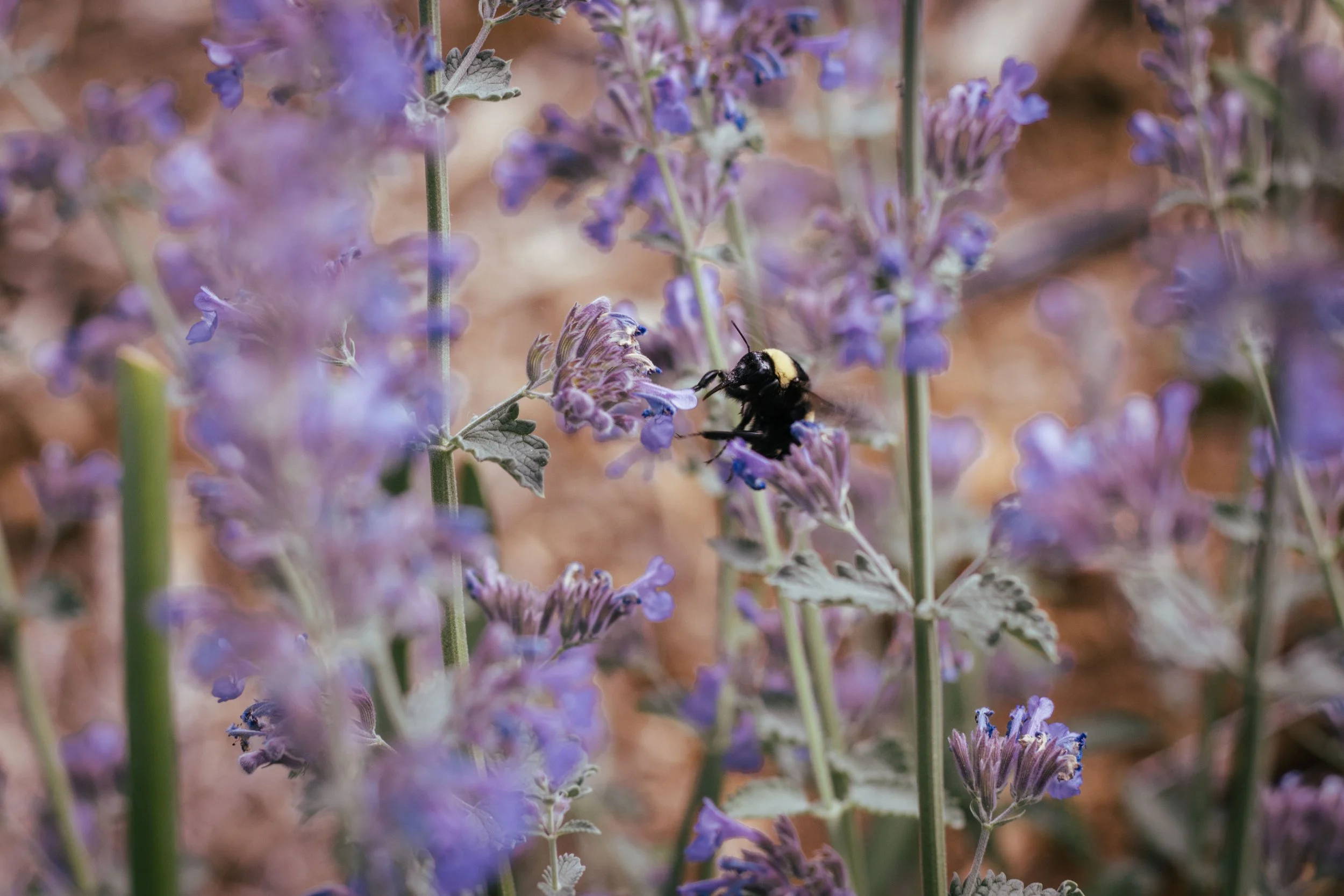
We carefully consider how we can provision our land as a refuge for life in its many forms. Our fields and gardens audibly hum with the sounds of a wide range of pollinators. We incorporate native plants, hedgerows, fruiting trees, shrubs, and decay piles provide habitat and food sources for the large community of birds and insects. While we grow and sell flowers to earn a living, we are gardeners at heart and farm as a way to meaningfully participate with land and extend an ethic of care.
Crop selection:
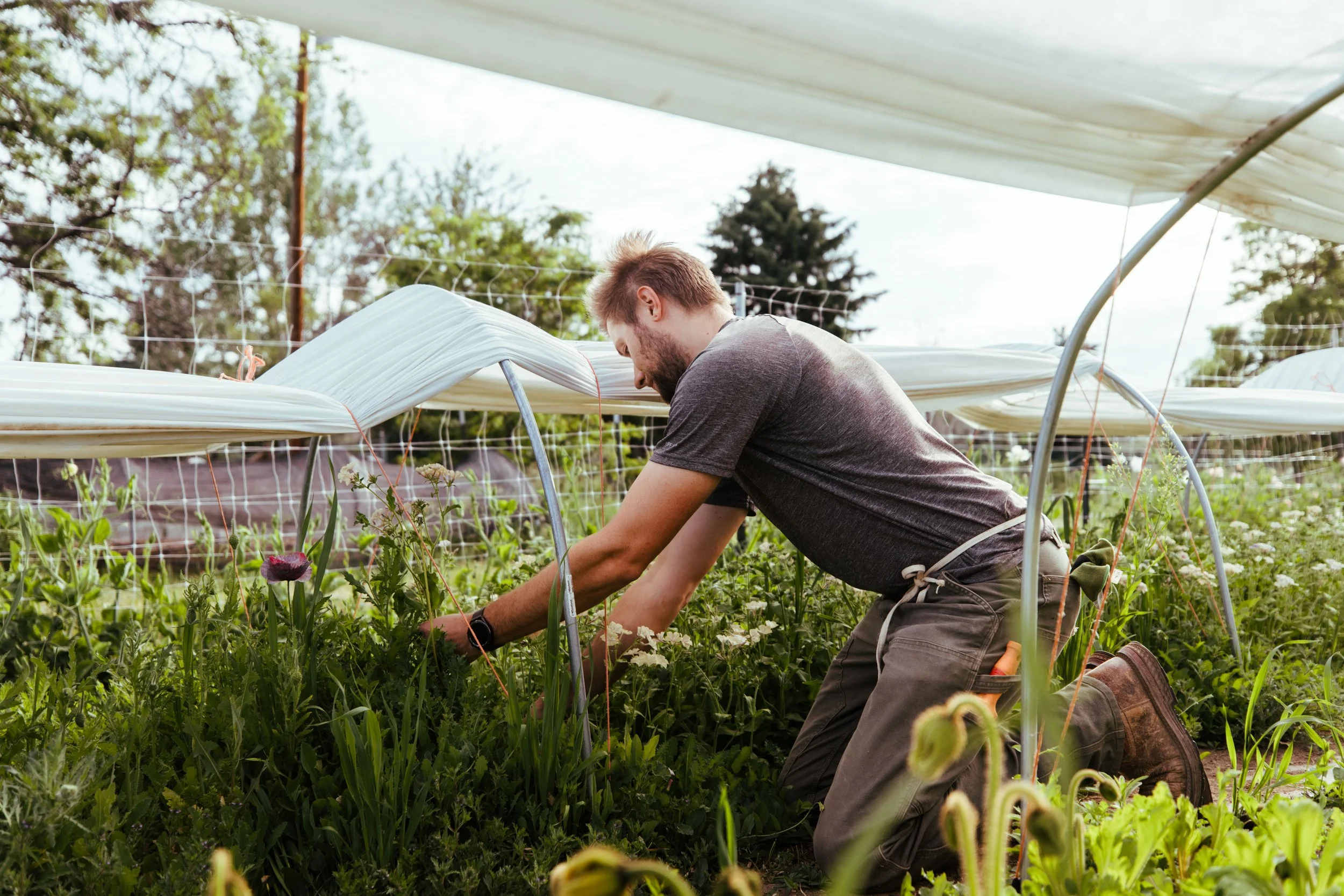
We grow hundreds of varieties and are strategic with crop selection, looking at the picture holistically: how each crop performs on our unique plot of land; how it earns its bed space in terms of inputs and labor; how it fills our growing calendar relative to other crops; how it offers unique qualities and benefits. We balance our workhorse summer annuals with unique perennial selections that consume less water, attract beneficial insects, and lend a unique regional expression to floral designs.
Season Extention:
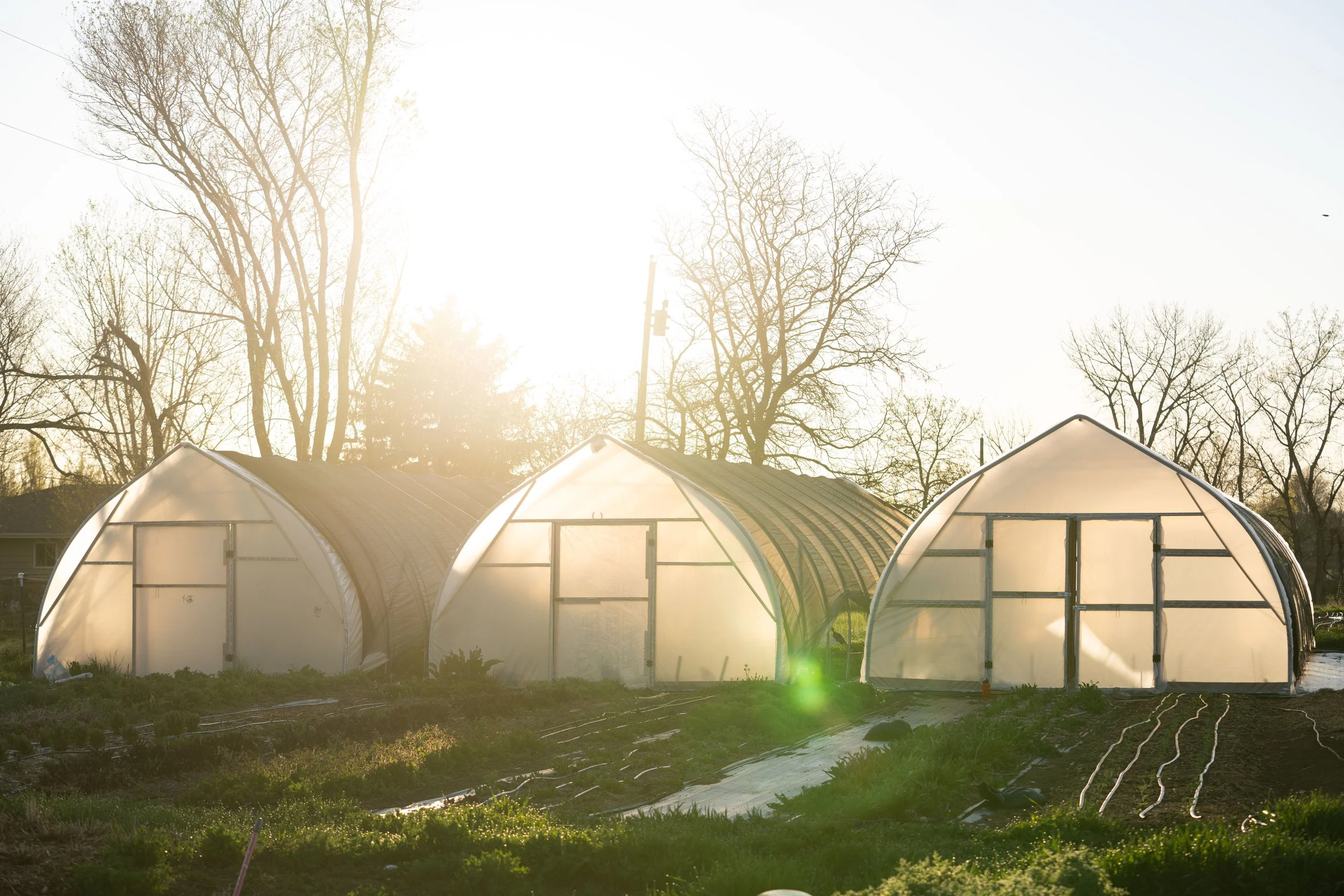
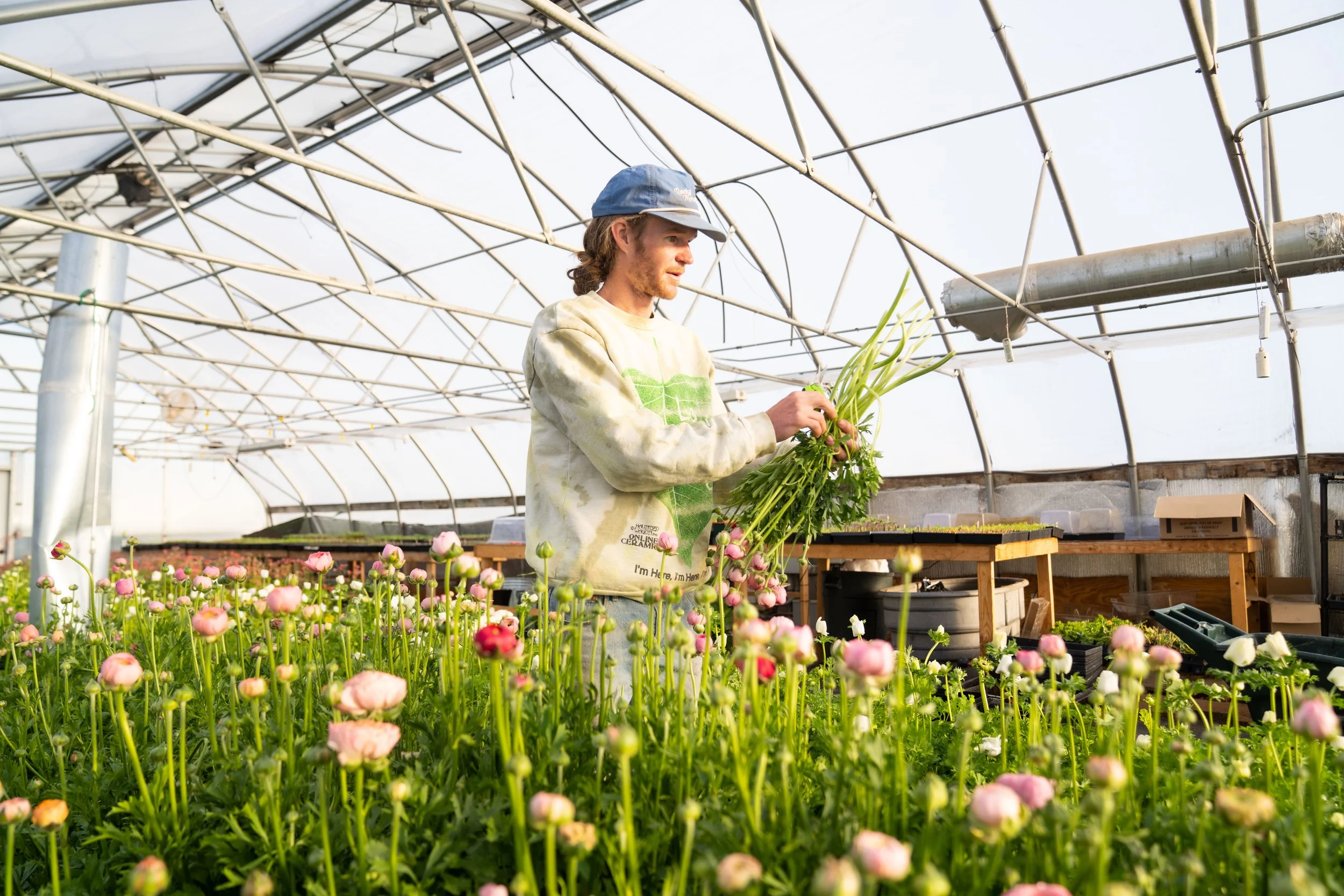
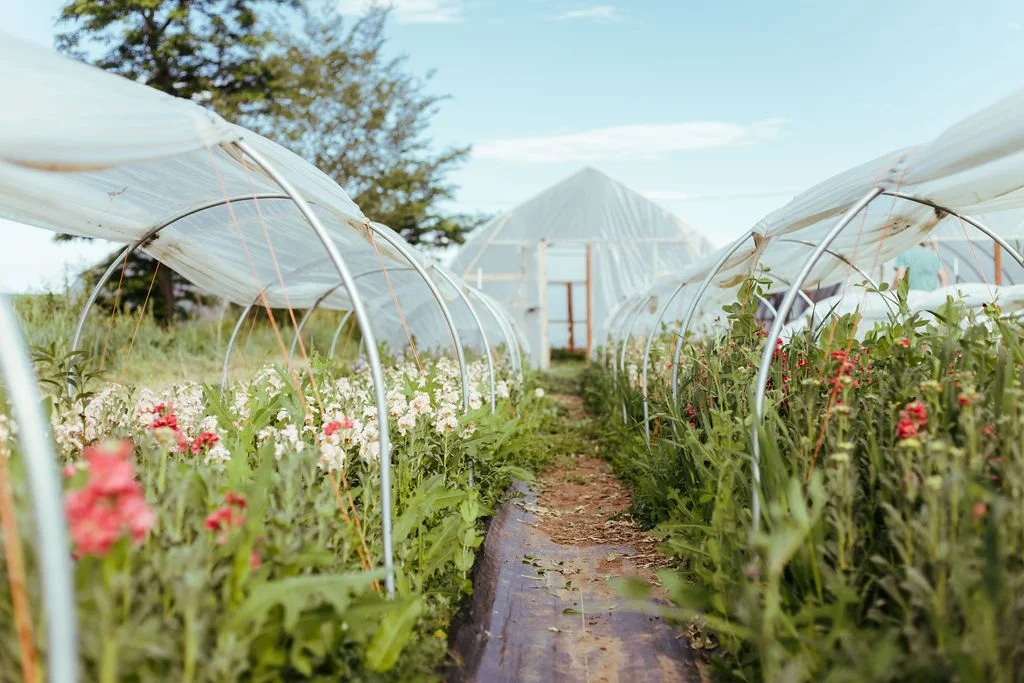
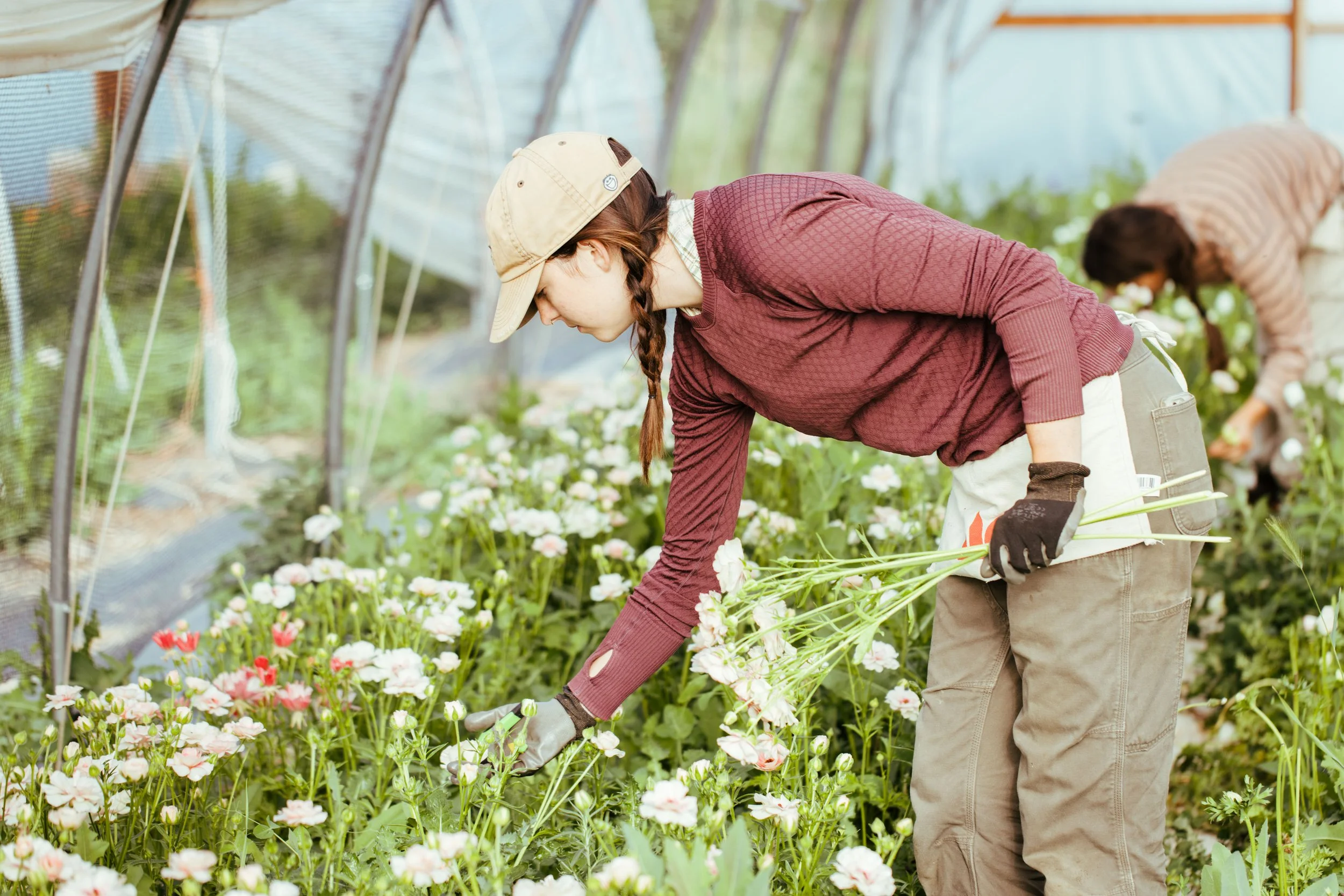
Season extention is a huge part of making farming viable in our climate. With abundant sunshine but extreme temperature swings, we take best advantage of our spring and fall shoulder seasons with protected growing areas including high tunnels, caterpillar tunnels, and frost cloth. We start most of our seeds in a heated and geothermally-regulated greenhouse (GAHT) with limited bed space for early and late rounds of specialty crops like ranunculus and heirloom chrysanthemums.
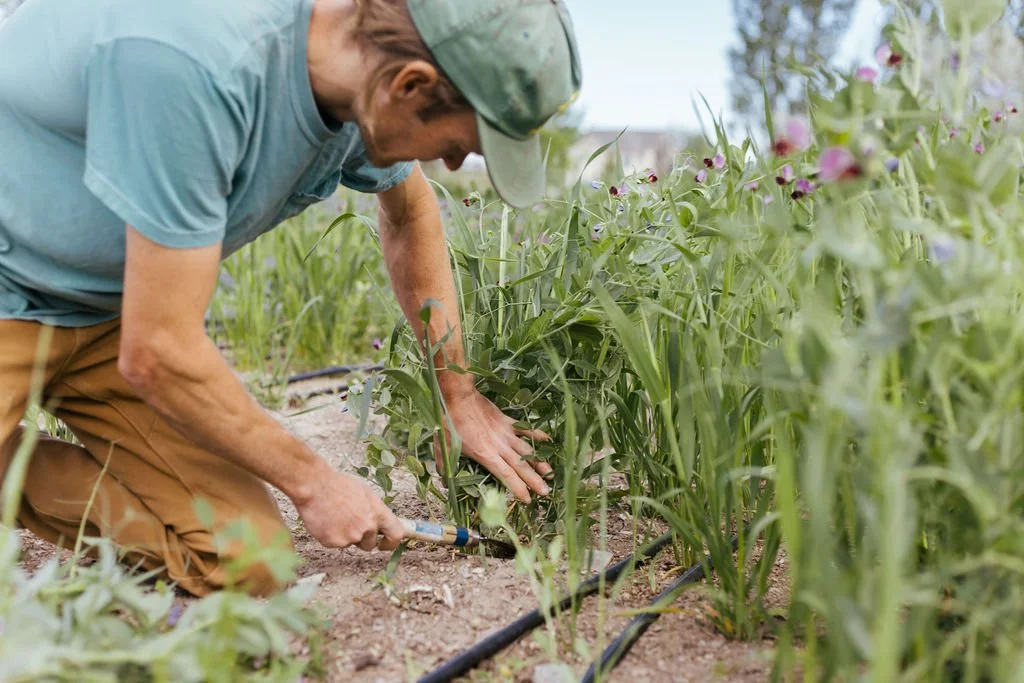
Cover cropping: Through sowing of cover crops we help protect rejuvenate and rest our growing spaces. Cover crops help reduce erosion increase soil biology and add necessary nutrients.
Minimal Till: The large majority of our growing space is maintained with No Till practices. In place of mechanical tillage we opt instead for lower impact methods like broadforking to help maintain and nurture the active biology and structures found in our soils.
Harvest techniques:
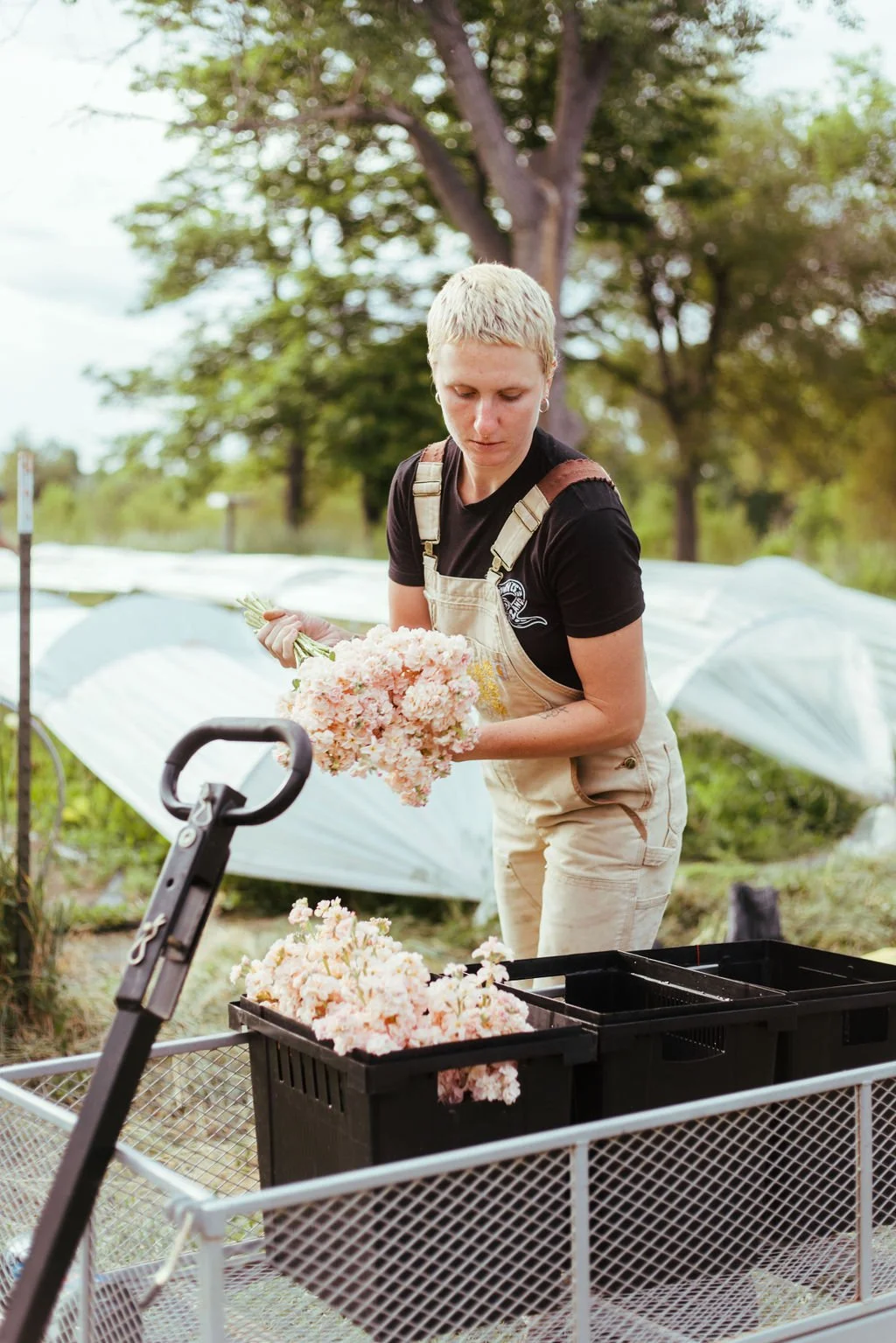
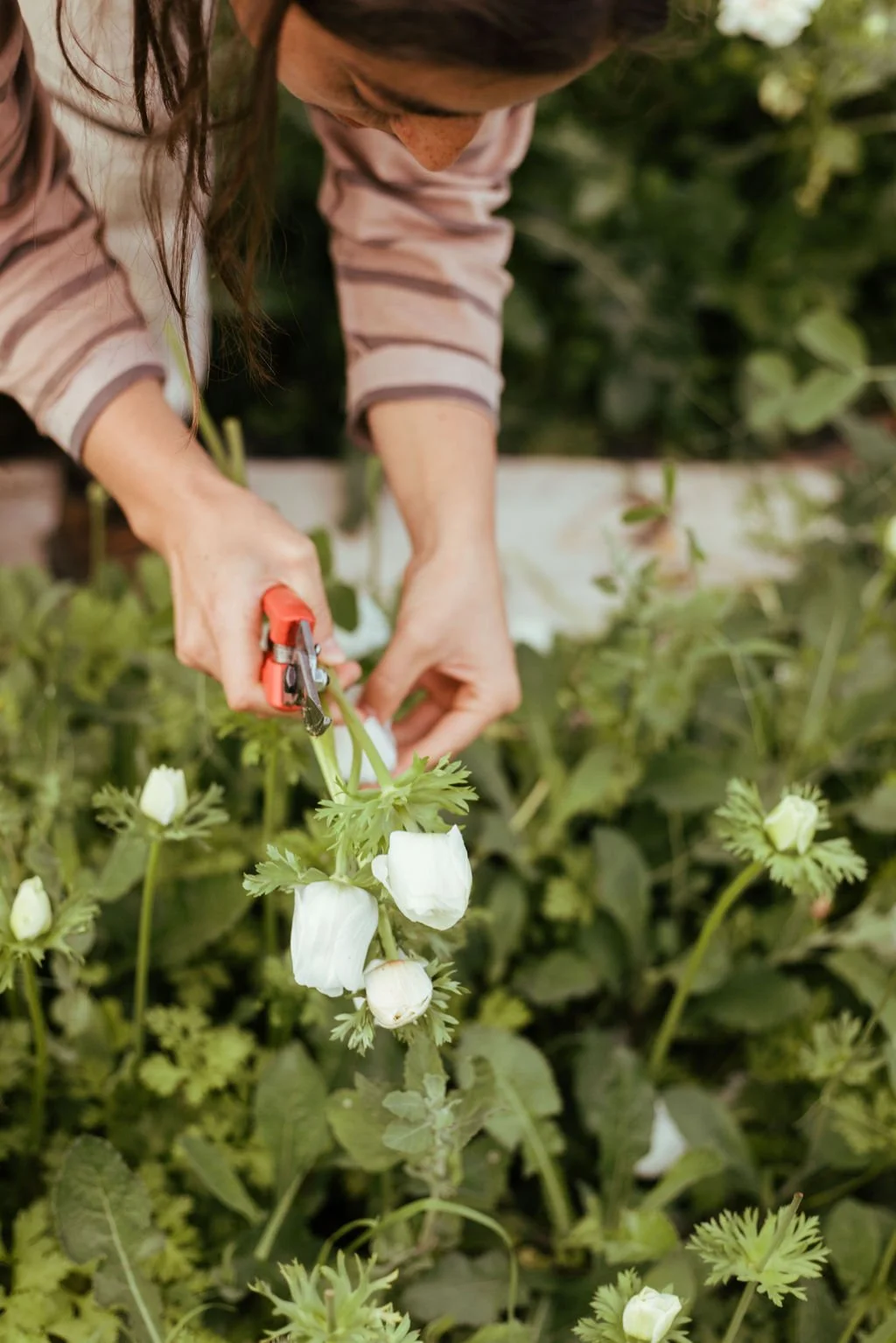
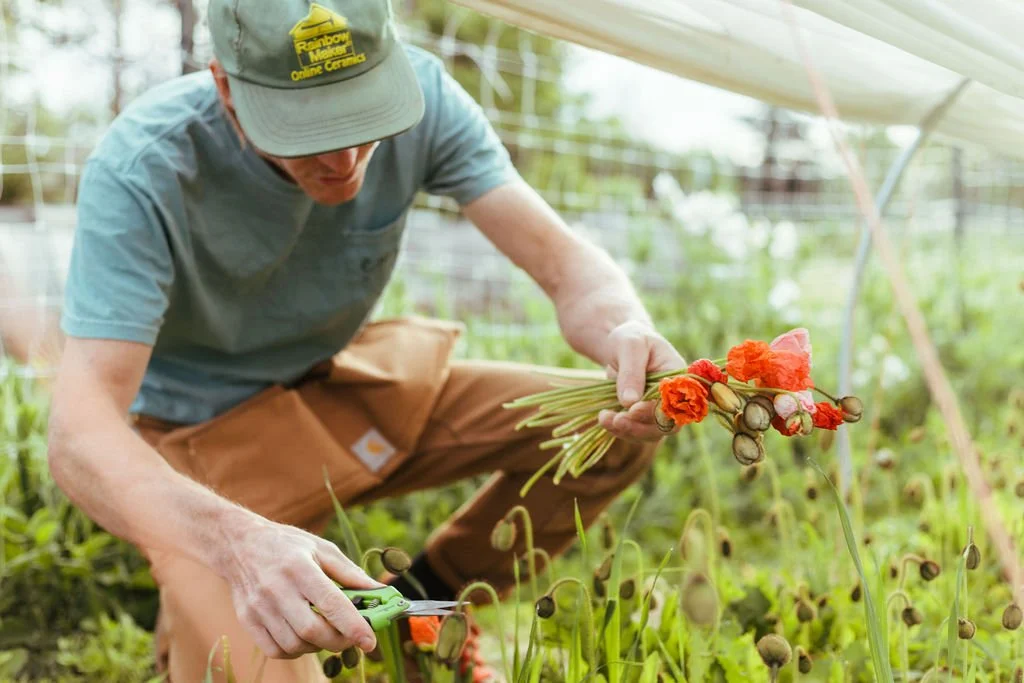
Beyond growing great flowers, we invest a lot in the way we harvest. The correct stage of harvest is the foundation of a flowers vase life. Through experience and continued research, we take pride in harvesting our flowers at the proper stage to help ensure the highest quality and longest vase life possible for each variety.
Conditioning for long vase life:
All our flowers are stored and conditioned at optimal temperatures according to each variety. This helps ensure proper hydration and extends vase life. We take the time to implement procedures that deliver the best results for each variety of flower.
Local distribution:
Simply put, the cut flower industry has yet to catch up with the progressive models we see in garden-making, regenerative agriculture, and the local food movement. Nearly 80% of fresh flowers sold in the United States are not grown in North America. Grown in distant temperate or tropical regions, the environmental footprint of producing, storing, and shipping such a delicate perishable product is significant.*
We grow our flowers to supply customers within a 100 mile radius. As part of a broader network of farms located along Colorado’s Front Range, we hope to collectively reduce our region’s reliance on flowers that are grown and shipped overseas.
*The Sustainable Floristry Network is a great resource for those interested in learning more about sustainable floristry.